
Cord Blood Banking: Help for Dementia?
Links to Amazon and other retailers on this page can be affiliate links or other sponsored advertising.
When you click and/or make a purchase, JADCOM Media LLC may earn a small commission. Thank you.
How Cord Blood Banking May Reverse the Hands of Time
Millions of people are diagnosed with a neurological disease each year. From a traumatic brain injury to Alzheimer’s disease, these severe ailments all lack beneficial treatment options. Cord Blood Banking may hold hope – either for you or for a family member.
Patients that succumb to brain diseases suffer immensely alongside their families. Caring for these individuals can be a full-time job.
However, there is hope for these patients. The blood that comes from a newborn’s umbilical cord may have the ability to reverse neurological diseases, especially for patients with Alzheimer’s Disease.
Previously, cord blood was always thrown out as medical waste. Yet, researchers have found the possibilities of what cord blood cells can do for neurological conditions.
What is Blood Cord Banking?
Umbilical Cord Blood Could Be a Life-Changing Treatment Alternative
In the past, scientists have studied how old age affects the human body. Studies have indicated that people die of old age because their stem cells – the same type found in cord blood – are depleted.
Human umbilical cord blood has a potent source of stem cells that can change into different cells, including neural.
If the cord blood can replace the exhausted stem cells in a person living with dementia, their stem cells could be entirely replenished. Essentially, a healthcare professional could seemingly extend the lives of people with stem cell treatment.
In other words, stem cells might have an anti-aging effect after receiving treatment and improve cognitive function. That’s because scientists discovered that cord blood contains a protein responsible for neuroplasticity.
This part of the brain allows neurons to communicate more effectively.
When scientists injected human cord blood into elderly mice, they found that their learning and memory tests improved. They even started nesting again, making a bed of cotton — instinctive behavior mice forget as they get old.
Studies show that cord blood enters the brain and restores certain processes essential for forming new memories. Cord blood can be a potential treatment for your family when parents choose to donate their a newborn baby’s cord blood from the umbilical cord, to a cord blood bank.
The Collection and Storage Process of Cord Blood
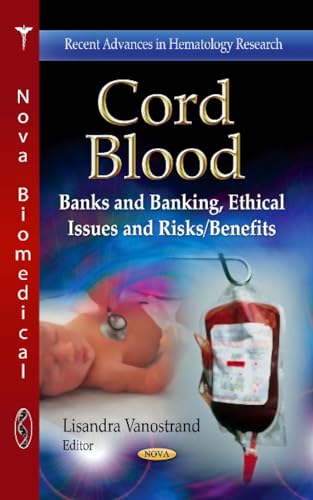
The good news about donated cord blood is that it can be made available to anyone who needs a blood stem cell transplant. It can also be available for further research. The cost of cord blood banking is zero – there’s no cost to donate cord blood publicly.
Here’s how the collection and storage process works:
Collecting Blood
As soon as the baby is delivered, doctors clamp the umbilical cord. They collect the blood before or after the placenta is delivered.
The blood is then collected into a sterile bag which receives an identification number and is stored temporarily. This is considered a cord blood unit.
Transporting
The next part of the process is where they transport cord blood to a cord blood bank. First, they have to test the cord blood to determine the level of match to potential recipients. They must also check for cell counts and infectious diseases like AIDS or hepatitis.
Additionally, they check the cord blood to ensure it has enough blood-forming cells for a successful transplant. If they have too few cells, the cord blood can be used for research or discarded.
Storing
If the cord blood proves sufficient, the next step is to freeze the blood and store it at extremely low temperatures. Typically, the blood is stored in liquid nitrogen and used in the future.
Once the cord blood is ready for a transplant, it ships to a transplant center. Then it’s thawed and infused into the patient.
Why Is Cord Blood Banking Critical?
Over 50 million people have dementia worldwide. This degenerative, memory loss brain disorder triggers a loss of cognitive function. Dementia patients eventually lose their ability to remember, reason, or think. One example of a critical impact is the increased difficulty to remain safe in the home.
While drugs are available to help slow down the progression and some symptoms, there is no viable cure for the disease. Many lifestyle, environmental and hereditary factors may play a role in the causes of dementia. However, no one entirely understands why this diagnosis occurs.
Therefore, researchers believe cord blood could help restore parts of the brain, especially the hippocampus — essential for assisting people in forming long-term memories. The hippocampus is vulnerable to aging. As it degenerates, it loses nerve cells and shrinks. This form of deterioration is also an early sign of Alzheimer’s disease.
Addressing a Medical Condition
Cord blood banking has rapidly evolved from a niche medical practice to a pivotal part of regenerative medicine. While initially regarded for its life-saving potential in treating blood disorders like leukemia and anemia, emerging research has uncovered its transformative promise in the realm of neurodegenerative diseases, including dementia.
Cord blood banking is increasingly being viewed as a critical investment in the future of healthcare, particularly for the aging population facing rising rates of dementia.
The Unique Value of Cord Blood
Cord blood, collected from the umbilical cord immediately after birth, is rich in hematopoietic stem cells—primitive cells capable of transforming into various types of blood and immune cells. What makes these cells particularly valuable is their youthful state. Unlike adult stem cells, cord blood stem cells have not undergone extensive division or aging, making them more potent and adaptable in medical applications.
Additionally, cord blood contains a smaller quantity of mesenchymal stem cells (MSCs), which have shown promising neuroprotective and anti-inflammatory properties. These properties are vital in the context of neurodegenerative conditions like dementia, which are characterized by inflammation and progressive neural damage.
Regenerative Medicine and Neurodegeneration
One of the most promising areas of research in dementia care involves regenerative therapies aimed at repairing or slowing the degeneration of brain tissue. Several preclinical studies have indicated that stem cells derived from cord blood may have the potential to:
- Reduce brain inflammation
- Promote neurogenesis (the formation of new neurons)
- Protect existing neural pathways
- Enhance cognitive functions in animal models
While these benefits are still under active investigation in human trials, early results are encouraging. For example, in some clinical studies involving individuals with Alzheimer’s disease, infusions of stem cells – especially those derived from umbilical sources – have been associated with slowed cognitive decline and improved neural biomarkers.
Addressing a Global Health Crisis
The global burden of dementia is staggering. According to the World Health Organization, more than 55 million people are currently living with dementia worldwide—a number expected to double every 20 years. The rising prevalence, combined with the emotional, financial, and social toll on families and healthcare systems, underscores the urgent need for innovative treatment strategies.
Cord blood banking represents a proactive step toward addressing this crisis. By preserving a child’s cord blood at birth, families are securing access to a valuable biological resource that may one day contribute to the treatment or prevention of dementia, whether for the child themselves, a sibling, or a compatible relative.
The Advantages Over Other Stem Cell Sources
Compared to other sources of stem cells, such as a bone marrow or adipose tissue, cord blood offers several key advantages:
- Lower Risk of Graft-versus-Host Disease (GvHD): Due to the immature nature of cord blood cells, there is a reduced risk of immune rejection when used in transplants.
- Readily Available: Unlike bone marrow transplants, which requires a painful and time-consuming extraction process, cord blood is collected from the umbilical cord tissue painlessly and non-invasively during childbirth.
- Cryopreservation Longevity: Properly stored cord blood remains viable for decades, making the use of stem cells a long-term medical asset.
These advantages are particularly significant when considering fast-evolving therapeutic landscapes. As new stem cell applications for neurodegenerative diseases like dementia are developed, having a personalized, readily available source of cord blood could provide a critical head start in treatment accessibility.
Ethical and Emotional Considerations

From an ethical standpoint, cord blood banking represents a non-controversial and widely accepted method of stem cell preservation. Unlike embryonic stem cell research, which has sparked debates due to the destruction of embryos, cord blood is collected from biological material that would otherwise be discarded.
Moreover, there is an emotional layer to this choice for many families. Banking cord blood is a tangible way to safeguard a child’s future—and possibly that of their extended family—in the face of uncertain medical landscapes. In an era where dementia touches nearly every family in some way, this form of medical foresight can bring peace of mind.
The Role of Public vs. Private Banking
Cord blood can be stored in either private or public banks. Private banks allow families to retain exclusive rights to their cord blood, which may be beneficial if there is a family history of dementia or other neurodegenerative diseases. Public cord blood banks, on the other hand, make donated cord blood available for use in unrelated recipients, fostering broader community health benefits.
From a societal perspective, encouraging both types of banking ensures that more people have access to life-changing stem cell therapies. In the context of dementia, where early intervention is critical and treatment demand is expected to rise, a robust and accessible supply of stem cells could become an essential part of national healthcare strategies.
Reversing the Signs of Aging
When older mice received cord blood, scientists found that their hippocampal function had improved significantly. Upon discovering that umbilical cord blood could help old brains act younger, scientists needed to know what secret ingredient yielded beneficial results.
Eventually, they discovered a protein called TIMP2. TIMP2 has been studied in the past. However, not enough research has been formed to study the effects of aging. With the extent of research on TIMP2, it could be beneficial in severe synaptic and neuronal dysfunction.
While the positive effects of memory and learning in mice give signs of hope, more relevant findings are still needed.
These studies only look at memory and thinking patterns in aging mice. It doesn’t directly relate to those involved in dementia. However, other studies have indicated that mice with Alzheimer’s disease improved their cognitive abilities with stem cell treatment.
These animals had significantly longer lifespans and remained more active for a longer period. Additionally, they remained cognitively active longer than normal. Yet, more research is needed to achieve similar results in people with dementia.
Therefore, cord blood banking is a critical component for further findings in the future and could save or extend the lives of future generations.

Looking Ahead: Future Potential in Dementia Treatment
While cord blood therapies for dementia are still in early stages, the horizon looks promising. Researchers are investigating how stem cells can modulate immune responses in the brain, stimulate regeneration in damaged areas, and even deliver targeted drugs directly to affected tissues.
If successful, these therapies could redefine what is possible in treating not only Alzheimer’s disease but also other forms of dementia such as Lewy body dementia and vascular dementia.
In the near future, personalized medicine – where treatments are tailored to an individual’s genetic and biological profile – may depend heavily on preserved biological materials like cord blood. Having access to these cells may make the difference between a standard approach and a highly targeted, effective intervention.
Cord blood banking is not just about preparing for rare blood disorders anymore; it’s about stepping into the future of medicine. As the world grapples with the complex challenge of dementia, cord blood may offer new hope through advanced, personalized care pathways. With every birth comes the potential to create a lifeline—not just for the child, but for generations to come.

What to Expect
While several studies have suggested that cord blood may address neurodegenerative disorders, some findings are controversial. For one, scientists often can’t reproduce the same results. It’s also not entirely clear how cord blood has contributed to a positive effect.
However, today’s research aims to uncover these setbacks to establish whether these treatments are safe and effective.
Certain clinical trials have explored the use of cord blood transplants. Yet, such tests did not show any positive results. Therefore, researchers have a good starting point for more studies and could have the potential to treat certain diseases.
It’s a matter of time until there is a bright future for the younger generations.
About the Author
Beth Rush

Beth Rush is the Managing Editor and Content Manager at Body+Mind.
Body+Mind features articles about diet, fitness, mental health, parenting and health care.